
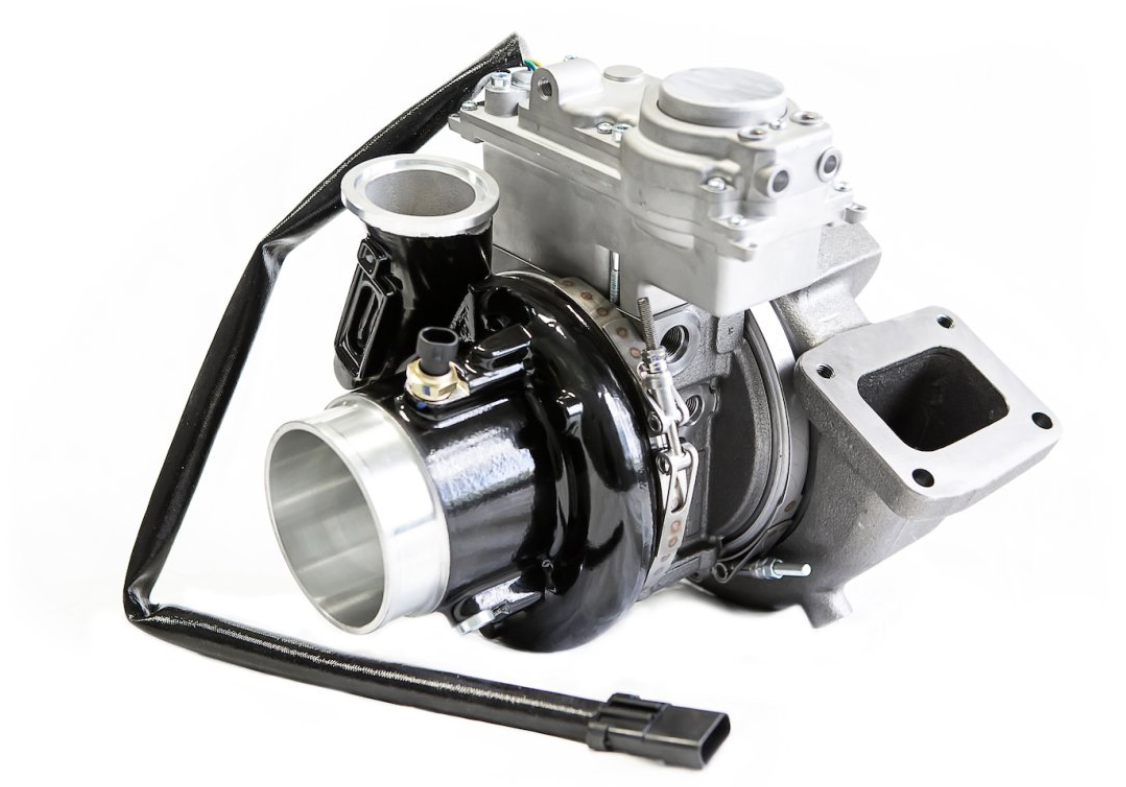
For fleet owners and independent truck operators, turbocharger problems rarely begin with a dramatic failure. More often, performance declines gradually: the truck takes longer to build speed, fuel costs rise, or the engine struggles under a familiar load. Recognizing these changes early can help prevent a roadside breakdown, an expensive engine repair, or missed delivery windows.
A turbocharger supplies the additional air needed for efficient combustion. When its bearings, compressor wheel, turbine wheel, seals, or housing begin to wear, the engine may no longer produce consistent boost. The result is often noticeable during demanding conditions, such as winter starts, long highway grades, heavy hauling, or stop-and-go work.
Changes in Power and Boost Deserve Attention
One of the clearest warning signs is a loss of pulling power. A truck that once climbed a grade in a higher gear may now require an earlier downshift. Acceleration can feel sluggish, especially when the trailer is loaded. Drivers may also notice that the engine takes longer to respond after pressing the accelerator.
These symptoms do not automatically prove that the turbocharger is worn. A restricted air filter, leaking charge-air cooler, damaged hose, fuel-system problem, or malfunctioning sensor can create similar conditions. That is why a boost-pressure test and a complete air-intake inspection are more useful than replacing parts based on a single symptom.
If the issue is traced to the turbocharger, comparing the available Mack MP8 Turbo options with the engine’s exact configuration is an important step. Fitment, calibration, operating conditions, and the truck’s service history all affect the right replacement decision.
Smoke, Oil, and Unusual Noise Can Signal Internal Wear
A worn turbocharger may produce a high-pitched whine, siren-like sound, grinding noise, or noticeable change in exhaust tone. A small amount of sound variation can be normal, but a new noise that increases with engine speed should be investigated promptly. Contact between a rotating wheel and the housing can quickly turn moderate wear into a complete failure.
Exhaust color also provides useful clues. Blue smoke may indicate that oil is entering the intake or exhaust side through damaged seals. Excessive black smoke can point to an air shortage, which may result from inadequate boost or a restriction in the intake system. White smoke has several possible causes and should not be blamed on the turbocharger without further testing.
Oil around the compressor outlet, charge-air piping, or intercooler connections is another reason to schedule an inspection. A light oil film may develop naturally in some diesel intake systems, but pooling oil, rapid oil consumption, or oil accompanied by excessive shaft movement requires immediate attention.
Delayed Repairs Increase Operating Costs
Continuing to operate with a failing turbocharger can affect more than acceleration. Poor boost control may increase fuel consumption, raise exhaust temperatures, and place additional stress on pistons, valves, and the emissions system. If the turbocharger sheds material, debris can enter the engine and cause far more extensive damage.
For a small fleet, the financial impact includes fuel waste, emergency towing, expedited parts, and lost revenue while the truck sits. A simple maintenance record can help identify patterns: boost readings, oil usage, smoke complaints, fault codes, and changes in fuel economy should be noted by date and mileage.
A Professional Inspection Provides a Clearer Answer
Before approving a replacement, have a qualified diesel technician check the turbocharger shaft for excessive radial or axial play, inspect the compressor and turbine wheels, pressure-test the charge-air system, and verify oil supply and drain lines. The technician should also review related components so that an underlying air, fuel, or exhaust problem does not damage the replacement unit.
Addressing warning signs during scheduled maintenance is usually safer and less expensive than waiting for a total failure. For trucks working through winter freight demand or summer construction schedules, early diagnosis can protect uptime and help keep repair costs predictable.