
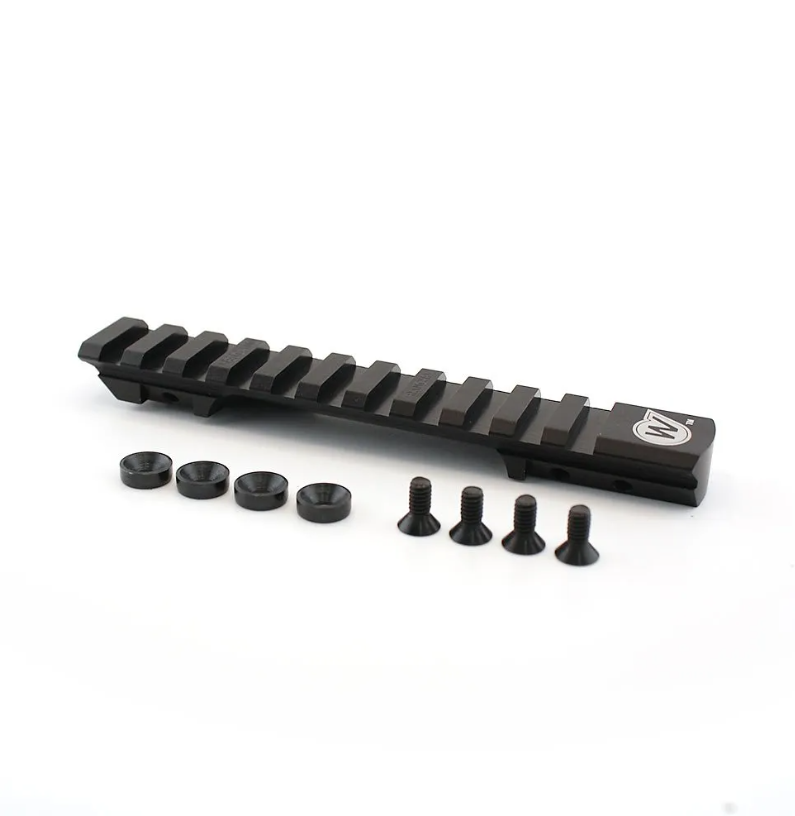
How to Choose the Right Mini 14 Picatinny Rail for Your Shooting Setup

How to Choose the Right Mini 14 Picatinny Rail for Your Shooting Setup For firearm enthusiasts, finding the right accessories for your rifle can make a significant difference in both accuracy and versatility. One essential upgrade for the Mini 14 platform is a Picatinny rail, which allows for the easy attachment of optics, sights, and other accessories. Choosing the correct mini 14 picatinny rail is crucial for ensuring your rifle performs at its best while providing maximum flexibility in your shooting setup. Understanding the Importance of a Picatinny Rail A Picatinny rail is a standardized mounting platform that provides a secure and repeatable attachment system for accessories. Unlike traditional mounting systems, Picatinny rails are highly versatile and allow shooters to easily switch optics, lights, and other gear without needing permanent modifications to their rifle. For Mini 14 owners, this means you can adapt your setup depending on whether you’re shooting for sport, hunting, or tactical purposes. Determine Your Shooting Needs Before selecting a Picatinny rail, it’s essential to understand your specific shooting requirements. Ask yourself the following questions: Are you primarily using your Mini 14 for target practice, hunting, or tactical training? Do you need a rail that supports heavy optics or just lightweight red dot sights? How often do you plan to swap accessories on your rifle? Answering these questions will help guide your choice, ensuring you don’t invest in a rail that doesn’t match your intended use. Material and Durability Considerations The construction material of a Picatinny rail plays a significant role in its durability and weight. Most rails are made from either aluminum or steel: Aluminum Rails: Lightweight and resistant to corrosion, aluminum rails are ideal for shooters looking to reduce overall rifle weight. They are suitable for most general shooting applications. Steel Rails: Heavier but extremely durable, steel rails are excellent for those who mount heavier optics or anticipate extensive use in rugged conditions. Consider your balance preferences and the type of accessories you plan to attach when deciding on the material. Rail Length and Mounting Options Mini 14 rifles can accommodate different rail lengths, from short top rails to full-length options. Your choice of length will depend on the type of accessories you want to mount and the overall setup of your rifle. Short Rails: Typically mounted near the receiver, short rails are perfect for compact optics or red dot sights. They keep the rifle lightweight and maneuverable. Full-Length Rails: These offer maximum versatility, allowing you to mount multiple accessories such as scopes, backup sights, and lasers. Full-length rails are ideal for tactical setups or long-range shooting. Additionally, consider how the rail attaches to the rifle. Some rails require permanent installation, while others use a removable or clamp-on design for flexibility. Compatibility With Optics and Accessories Not all Picatinny rails are created equal, and compatibility is a crucial factor. Make sure the rail you select can support the types of optics and accessories you plan to use. Check the width and spacing of the rail slots to ensure proper attachment. Some high-end rails also include features such as recoil stops or anti-slip grooves, which provide added stability for precision shooting. Weight and Balance Considerations Adding a Picatinny rail affects the weight distribution of your Mini 14. A heavier rail at the front of the rifle can improve stability for long-range shooting, but it may make quick target transitions more difficult. Consider the weight of both the rail and any mounted accessories, and aim for a balance that suits your shooting style. Trying out different setups in a controlled environment can help you find the optimal configuration. Installation and Adjustments Many Picatinny rails can be installed with basic tools, but professional installation ensures proper alignment and security. Improper installation may result in shifting optics or reduced accuracy. Additionally, some rails allow for minor adjustments in height or angle, giving you more flexibility in aligning your sights or scope perfectly with the rifle barrel. Maintenance and Longevity Like any firearm accessory, Picatinny rails require proper maintenance to ensure long-term performance. Keep the rail clean from dirt, moisture, and debris to prevent corrosion. Regularly check screws and mounting hardware for tightness, especially after extensive shooting sessions. High-quality rails designed for durability often come with protective coatings that reduce wear and extend service life. Final Thoughts Choosing the right Mini 14 Picatinny rail requires careful consideration of your shooting goals, rifle setup, and accessory needs. By understanding the different materials, lengths, compatibility factors, and installation options, you can make an informed decision that enhances both the performance and versatility of your rifle. Investing in a high-quality mini 14 picatinny rail ensures that your Mini 14 is ready for any shooting scenario, from casual range sessions to serious tactical applications.

For firearm enthusiasts, finding the right accessories for your rifle can make a significant difference in both accuracy and versatility. One essential upgrade for the Mini 14 platform is a Picatinny rail, which allows for the easy attachment of optics, sights, and other accessories. Choosing the correct mini 14 picatinny rail is crucial for ensuring your rifle performs at its best while providing maximum flexibility in your shooting setup.

Understanding the Importance of a Picatinny Rail

A Picatinny rail is a standardized mounting platform that provides a secure and repeatable attachment system for accessories. Unlike traditional mounting systems, Picatinny rails are highly versatile and allow shooters to easily switch optics, lights, and other gear without needing permanent modifications to their rifle. For Mini 14 owners, this means you can adapt your setup depending on whether you’re shooting for sport, hunting, or tactical purposes.

Determine Your Shooting Needs

Before selecting a Picatinny rail, it’s essential to understand your specific shooting requirements. Ask yourself the following questions:

  • Are you primarily using your Mini 14 for target practice, hunting, or tactical training?
  • Do you need a rail that supports heavy optics or just lightweight red dot sights?
  • How often do you plan to swap accessories on your rifle?

Answering these questions will help guide your choice, ensuring you don’t invest in a rail that doesn’t match your intended use.

Material and Durability Considerations

The construction material of a Picatinny rail plays a significant role in its durability and weight. Most rails are made from either aluminum or steel:

  • Aluminum Rails: Lightweight and resistant to corrosion, aluminum rails are ideal for shooters looking to reduce overall rifle weight. They are suitable for most general shooting applications.
  • Steel Rails: Heavier but extremely durable, steel rails are excellent for those who mount heavier optics or anticipate extensive use in rugged conditions.

Consider your balance preferences and the type of accessories you plan to attach when deciding on the material.

Rail Length and Mounting Options

Mini 14 rifles can accommodate different rail lengths, from short top rails to full-length options. Your choice of length will depend on the type of accessories you want to mount and the overall setup of your rifle.

  • Short Rails: Typically mounted near the receiver, short rails are perfect for compact optics or red dot sights. They keep the rifle lightweight and maneuverable.
  • Full-Length Rails: These offer maximum versatility, allowing you to mount multiple accessories such as scopes, backup sights, and lasers. Full-length rails are ideal for tactical setups or long-range shooting.

Additionally, consider how the rail attaches to the rifle. Some rails require permanent installation, while others use a removable or clamp-on design for flexibility.

Compatibility With Optics and Accessories

Not all Picatinny rails are created equal, and compatibility is a crucial factor. Make sure the rail you select can support the types of optics and accessories you plan to use. Check the width and spacing of the rail slots to ensure proper attachment. Some high-end rails also include features such as recoil stops or anti-slip grooves, which provide added stability for precision shooting.

Weight and Balance Considerations

Adding a Picatinny rail affects the weight distribution of your Mini 14. A heavier rail at the front of the rifle can improve stability for long-range shooting, but it may make quick target transitions more difficult. Consider the weight of both the rail and any mounted accessories, and aim for a balance that suits your shooting style. Trying out different setups in a controlled environment can help you find the optimal configuration.

Installation and Adjustments

Many Picatinny rails can be installed with basic tools, but professional installation ensures proper alignment and security. Improper installation may result in shifting optics or reduced accuracy. Additionally, some rails allow for minor adjustments in height or angle, giving you more flexibility in aligning your sights or scope perfectly with the rifle barrel.

Maintenance and Longevity

Like any firearm accessory, Picatinny rails require proper maintenance to ensure long-term performance. Keep the rail clean from dirt, moisture, and debris to prevent corrosion. Regularly check screws and mounting hardware for tightness, especially after extensive shooting sessions. High-quality rails designed for durability often come with protective coatings that reduce wear and extend service life.

Final Thoughts

Choosing the right Mini 14 Picatinny rail requires careful consideration of your shooting goals, rifle setup, and accessory needs. By understanding the different materials, lengths, compatibility factors, and installation options, you can make an informed decision that enhances both the performance and versatility of your rifle. Investing in a high-quality mini 14 picatinny rail ensures that your Mini 14 is ready for any shooting scenario, from casual range sessions to serious tactical applications.