
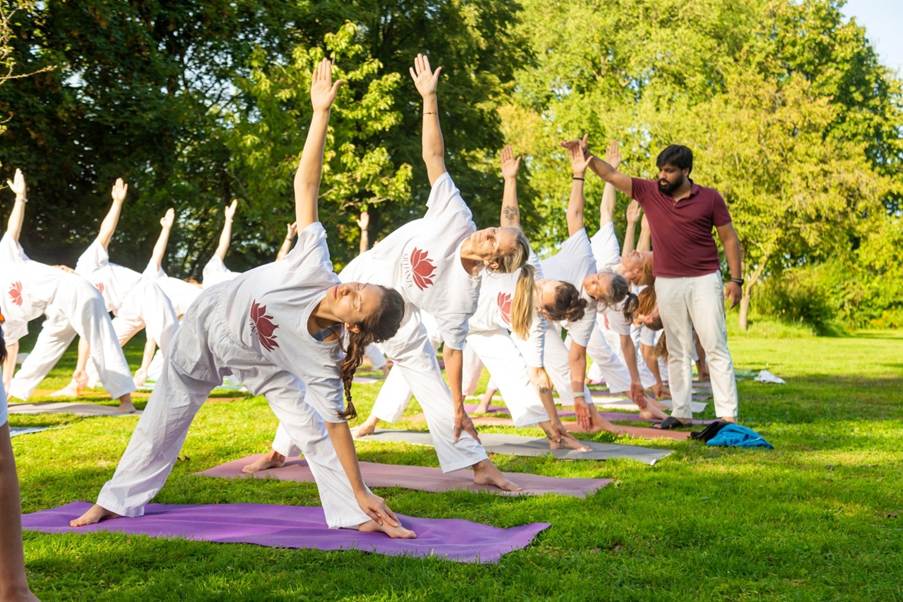
Completing a 200-hour yoga teacher training entails a comprehensive exploration of a structured curriculum that encompasses various essential topics, including anatomy, philosophy, teaching methodologies, and personal practice.
This training also provides valuable hands-on experience in class planning and engaging with students. Participants will acquire knowledge about proper alignment, pranayama (breath control), and meditation techniques, while honing their communication skills through practical teaching sessions.
It’s important to navigate challenges such as physical fatigue and time management effectively during this journey. Upon successful completion, graduates will fulfill the necessary criteria for certification and gain professional recognition.
Delving deeper into this training can offer insights on how to elevate your teaching abilities and enhance your expertise in the field of yoga.
Understanding the Structure of 200-Hour Yoga Teacher Training
Although the structure of a 200-hour yoga teacher training program can differ depending on the school or style of yoga, it generally follows an extensive curriculum designed to equip you with foundational knowledge and practical skills. You’ll engage in a mixture of classroom instruction, hands-on practice, and observation, all intended to prepare you for teaching others effectively and safely. This training is typically divided into modules that cover diverse aspects of yoga, providing you with a thorough understanding of the practice. Through participating in a 200-hour yoga teacher training, you’ll develop the ability to guide students with confidence, fostering their physical and mental well-being. The program’s structure aims to balance theory and application, ensuring you’re well-prepared to serve your future students with competence and care.
Core Components of the Curriculum
When you begin a 200-hour yoga teacher training, you’ll find that the curriculum is carefully divided into several fundamental components, each designed to build your competence as both a practitioner and instructor. These essential areas typically include asana practice, where you learn proper alignment and sequencing; anatomy and physiology, which help you understand the body’s mechanics and how to safely guide students; philosophy and ethics, providing a foundation in yoga’s historical context and teaching responsibilities; and teaching methodology, focusing on class planning, communication skills, and adjustments. Furthermore, you’ll investigate pranayama techniques and meditation practices to support integrated development. Mastering these components equips you with the extensive knowledge and skills necessary to serve your future students effectively, ensuring your teaching is both safe and inspiring.
Developing Your Personal Practice During Training
As you advance through your training, establishing a consistent personal practice will be vital for deepening your understanding and skills, allowing you to experience the benefits firsthand. You’ll have opportunities to investigate different yoga styles, which can broaden your perspective and help you identify the approaches that connect most with your teaching philosophy. Furthermore, integrating mindfulness techniques into your routine will support mental clarity and improve your comprehensive practice, making it a well-rounded experience.
Establishing Consistent Practice
Because developing a personal yoga practice during your teacher training is crucial, it’s important to establish consistency early on, which helps deepen your understanding of the techniques, philosophies, and physical postures you’ll be teaching. By committing to daily or regular sessions, you not only improve muscle memory and alignment but also cultivate mental focus and discipline, which are fundamental qualities for guiding others. Consistent practice enables you to observe subtle bodily sensations and breathing patterns, refining your ability to offer precise adjustments and modifications to your future students. Moreover, maintaining a steady routine supports your personal growth, allowing you to represent the principles you intend to share. Structuring your practice schedule around your training demands guarantees you remain balanced and prepared to serve others effectively throughout and beyond the course.
Exploring Different Yoga Styles
Building on the significance of maintaining a consistent yoga practice, exploring different yoga styles during your training allows you to broaden your knowledge and experience, which is crucial for developing a well-rounded personal practice. Through engaging with diverse approaches, you gain insight into how different techniques can benefit a range of student needs, enhancing your ability to serve effectively. Consider incorporating styles such as:
- Hatha Yoga: Focuses on foundational postures, promoting alignment and balance, ideal for beginners and rehabilitation.
- Vinyasa Yoga: Emphasizes fluid movement synchronized with breath, cultivating strength and cardiovascular endurance.
- Yin Yoga: Involves long-held poses targeting deep connective tissues, supporting flexibility and mindfulness.
Exploring these styles deepens your understanding, enabling you to tailor classes thoughtfully, ensuring inclusivity and responsiveness to individual practitioners.
Integrating Mindfulness Techniques
While advancing through your yoga teacher training, integrating mindfulness techniques becomes vital for deepening both your personal practice and teaching effectiveness; these techniques involve cultivating present-moment awareness through focused attention, breath regulation, and mental clarity, which can improve your ability to remain centered during practice and instruction. Through consistently applying mindfulness, you’ll develop a heightened sensitivity to your own physical and emotional states, enabling you to respond thoughtfully rather than react impulsively. This awareness not only enriches your self-practice but also equips you to guide students with greater empathy and precision. Incorporating mindfulness exercises, such as meditation and mindful breathing, into your daily routine during training fosters adaptability and clarity, fundamental qualities for serving others effectively as a yoga teacher committed to nurturing comprehensive well-being.
Teaching Methodologies and Practicum Experience
When you begin exploring teaching methodologies, you’ll learn effective techniques that help convey yoga concepts clearly and safely, ensuring your students gain the most from each session. The practicum experience will give you structured opportunities to apply these methods in real class settings, allowing you to refine your skills through practice and feedback. Furthermore, mastering student engagement strategies is crucial, as it encourages participation and fosters a supportive learning environment that benefits both you and your students.
Effective Teaching Techniques
Mastering effective teaching techniques in yoga requires a well-rounded approach that combines varied teaching methodologies with hands-on practicum experience, allowing you to develop both theoretical knowledge and practical skills. To serve your students effectively, you’ll need to understand how to communicate clearly, adapt to different learning styles, and maintain a safe environment. Key components include:
- Utilizing clear and precise verbal cues alongside demonstrations to improve student comprehension.
- Observing and adjusting your teaching based on student feedback and body language to meet individual needs.
- Incorporating progressive sequencing and pacing to foster gradual skill development and prevent injury.
Practicum Session Structure
A well-structured practicum session is essential for consolidating your teaching methodologies and gaining practical experience, as it offers you multiple opportunities to apply theoretical concepts in real-time settings, receive constructive feedback, and refine your instructional skills. Typically, these sessions begin with you planning a class sequence that aligns with the lesson objectives and the students’ needs. During the practicum, you’ll guide participants through poses, breathing techniques, and shifts, focusing on clear communication and alignment cues. Instructors and peers observe, providing specific feedback to help you identify strengths and areas for improvement. This structured environment supports your growth as a teacher, ensuring you develop confidence and competence in delivering safe, effective yoga sessions that serve the well-being of your future students.
Student Engagement Strategies
Since effective teaching relies heavily on your ability to engage students actively, understanding and applying diverse student engagement strategies becomes a critical component of your teaching methodologies and practicum experience. Through fostering a dynamic learning environment, you encourage participation and deepen comprehension. Consider incorporating these strategies:
- Interactive Questioning: Pose thoughtful questions that prompt reflection and discussion, helping students connect concepts to their personal practice.
- Peer Collaboration: Facilitate group activities or partner work, enabling students to learn from each other and develop communication skills essential for teaching.
- Experiential Learning: Use hands-on practice and real-time feedback during sessions to strengthen techniques and build confidence.
Employing these approaches will improve your effectiveness as a teacher, ensuring students remain attentive, motivated, and engaged throughout your training sessions.
Overcoming Challenges Throughout the Training Journey
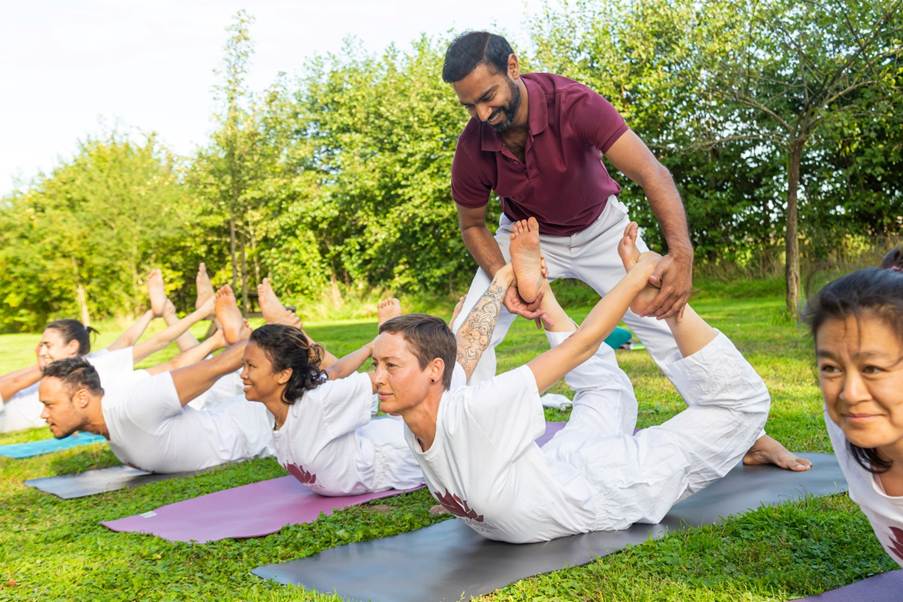
Although yoga teacher training offers an enriching opportunity to deepen your practice and teaching skills, it inevitably presents diverse challenges that require careful navigation. You may encounter physical fatigue due to intensive practice sessions, mental strain from absorbing vast amounts of theoretical knowledge, and emotional vulnerability as you confront personal limitations. Time management becomes vital, especially if you balance training with work or family commitments. To overcome these obstacles, developing a structured schedule and setting realistic goals helps maintain focus and motivation. Furthermore, cultivating patience with yourself and seeking support from peers or mentors fosters tenacity. Remember, these challenges are fundamental to your growth, equipping you with empathy and understanding, which are key qualities in serving others effectively as a future yoga teacher.
Steps to Certification and Beyond
Having worked through the diverse challenges that arise during yoga teacher training, you’ll soon encounter the structured process that leads to official certification, which validates your knowledge and skills in the field. This process typically involves final assessments, including practical teaching demonstrations and written exams, to guarantee competency. Beyond certification, continuous learning and community involvement become essential to your growth as a teacher committed to service.
Key steps include:
- Completing all required training hours and assessments mandated by the certifying organization.
- Registering with a recognized yoga alliance or governing body to gain professional recognition.
- Engaging in ongoing education, workshops, and mentorship to deepen your expertise and improve your ability to serve diverse student needs effectively.