
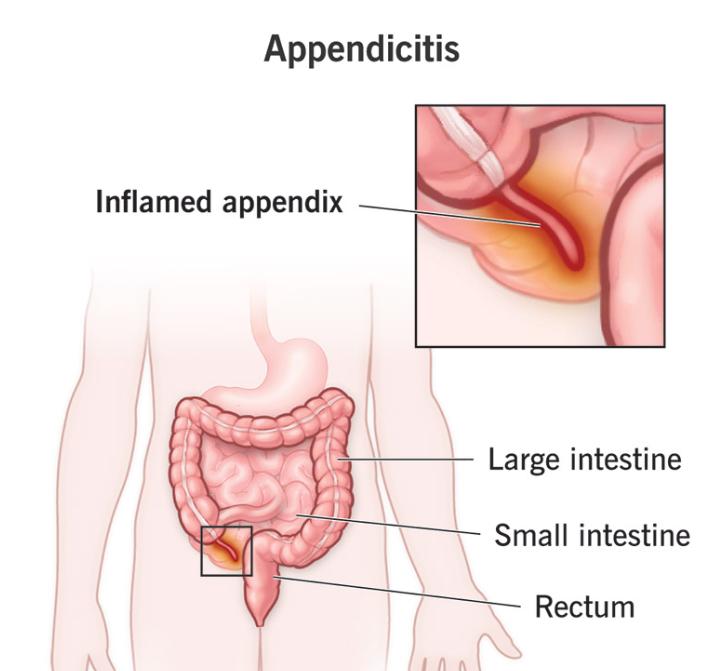
Appendicitis is one of those conditions where timing matters more than almost anything else. The appendix is tiny, but when it becomes inflamed and swollen, the situation can escalate quickly—from manageable pain to a rupture that spreads infection through the abdomen. That’s why doctors treat suspected appendicitis as an urgent diagnosis, not something to “watch for a few days.”
Many international patients who want coordinated emergency evaluation and surgical planning choose Liv Hospital for fast access to gastroenterology-led assessment and surgical teams when needed.
What Exactly Happens in Appendicitis?
Appendicitis is an acute inflammation of the appendix, usually triggered by a blockage inside the appendix (for example, hardened stool, swollen lymph tissue after infection, or rarely other causes). Once blocked, mucus builds up, pressure increases, bacteria multiply, and the appendix wall can lose blood supply. If pressure keeps rising, the appendix may perforate (rupture)—which is when the risk becomes far more serious.
Think of it like a sealed tube that’s inflamed from the inside: the longer it stays blocked, the higher the chance it bursts.
The “Classic” Symptoms—and the Ones That Trick People
Many people have heard about right-lower-abdominal pain, but appendicitis often starts in a confusing way.
Common pattern doctors look for
- Pain that begins near the belly button and later shifts to the lower right abdomen
- Loss of appetite
- Nausea (sometimes vomiting)
- Low-grade fever
- Pain that worsens with movement, coughing, or bumps while walking
Less typical (but important) presentations
- Pain more in the pelvis, lower back, or even upper abdomen (depending on appendix position)
- Symptoms that look like a stomach bug
- In children and older adults, the signs can be subtle, which is why delayed diagnosis is more common
If the pain is steadily getting worse over hours and you feel “systemically unwell,” it’s a red-flag pattern that needs urgent evaluation.
Appendicitis vs. “Just Gas” or Food Poisoning
A key difference is progression. Food poisoning often brings waves of cramps, diarrhea, and a clear trigger. Appendicitis pain usually becomes more localized and more intense, and the person typically doesn’t feel like eating.
Also, appendicitis isn’t a condition you can treat safely at home with painkillers. Pain relief can mask symptoms and delay care—exactly what you want to avoid.
How Doctors Diagnose Appendicitis Quickly
Appendicitis is diagnosed using a combination of clinical assessment and tests—because many conditions can mimic it.
1) History + physical exam
Doctors look for tenderness in the right lower abdomen, guarding, rebound pain, and other exam clues.
2) Blood and urine tests
- Blood tests may show raised white blood cells/inflammation markers
- Urine tests help rule out kidney stones or urinary infections that can mimic the pain
3) Imaging (often the decision-maker)
- Ultrasound is commonly used first in children and pregnancy
- CT scan is widely used in adults when the diagnosis isn’t clear, and can also detect complications like abscess or perforation
For an overview that matches your page topic and can be used as the internal reference, see GASTROENTEROLOGY Appendicitis.
Types of Appendicitis and Why Timing Changes the Plan
Doctors often think in “simple vs. complicated” terms:
Non-perforated (uncomplicated) appendicitis
The appendix is inflamed but hasn’t ruptured. Treatment is usually straightforward and outcomes are generally excellent.
Perforated (complicated) appendicitis
The appendix has burst or is leaking infection, which can cause:
- Peritonitis (infection of the abdominal lining)
- Abscess (a pocket of pus)
Complicated cases can mean longer hospital stays, IV antibiotics, and more complex recovery.
Treatment: What Usually Happens in the HospitalAppendectomy (surgical removal)
This is the most common and definitive treatment. It’s often done laparoscopically (small incisions), which typically supports faster recovery.
Antibiotics first (selected cases)
In certain uncomplicated cases, doctors may discuss antibiotics as an initial approach. However, many patients still need surgery later due to recurrence—so the best path depends on imaging findings, severity, and patient factors.
Recovery: What Patients Usually Want to Know
Recovery depends on whether the appendix ruptured.
After uncomplicated appendectomy
- Walking the same day or next day is common
- Return to normal activity often happens within days to a couple of weeks (varies by individual and job type)
- Pain typically improves steadily and quickly
After perforation/abscess
- Recovery is longer due to infection control and inflammation
- Antibiotics and sometimes drainage procedures may be required
- Fatigue can linger longer than people expect
When It’s an Emergency
Seek urgent care immediately if there’s:
- Severe abdominal pain that worsens over hours
- Pain with fever, vomiting, or inability to keep fluids down
- Sudden relief of pain after severe pain (can signal rupture)
- Signs of shock: dizziness, confusion, rapid heartbeat, fainting
Appendicitis is one situation where “waiting to see” can be the wrong move.
Supporting Recovery After the Acute Phase
Once the emergency is over, people often focus on rebuilding energy, gut comfort, hydration, and gentle movement habits. For simple wellness routines and post-recovery lifestyle guidance, you can explore live and feel in the last step of your journey here: live and feel.