
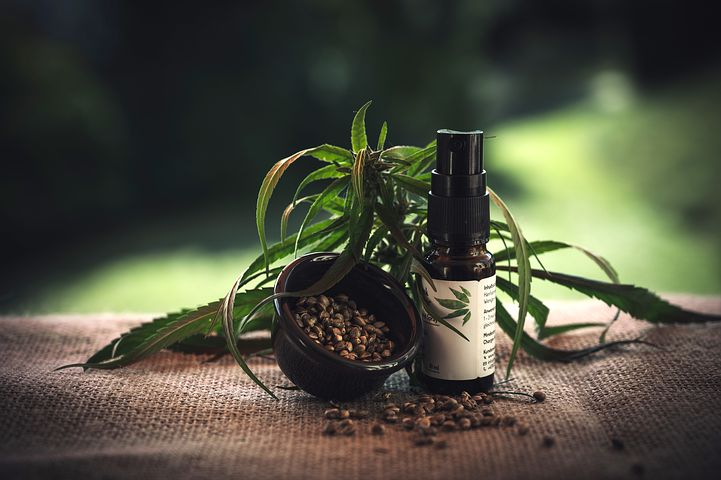
Oklahoma has earned a reputation for operating one of the most accessible and patient-friendly medical marijuana programs in the United States. Since voters approved State Question 788 in 2018, the program has grown to serve hundreds of thousands of patients through a vast network of dispensaries spread across the state. For patients seeking relief through medical cannabis, Oklahoma offers unique advantages that set it apart from programs in other states.
What Makes Oklahoma’s Program Different
The most striking feature of Oklahoma’s medical marijuana program is the absence of a qualifying conditions list. Unlike most states that require patients to have specific diagnoses such as cancer, epilepsy, or chronic pain, Oklahoma leaves the determination entirely to physician discretion. If a licensed physician believes medical cannabis could benefit a patient’s health condition, they can provide a recommendation.
This approach reflects a fundamental philosophy that medical decisions should remain between patients and their healthcare providers rather than being dictated by legislators or regulators. Patients with conditions ranging from anxiety and insomnia to chronic pain and autoimmune disorders have successfully obtained recommendations based on their individual circumstances and medical histories.
The flexibility extends beyond qualifying conditions. Oklahoma permits patients to cultivate their own cannabis at home, allows generous possession limits, and has fostered a competitive marketplace with more dispensaries per capita than almost any other state. These factors combine to create an environment where patients have meaningful access to the medicine they need at competitive prices.
Understanding the Oklahoma Medical Marijuana Authority
The Oklahoma Medical Marijuana Authority, known as OMMA, serves as the regulatory body overseeing all aspects of the state’s cannabis program. Originally established under the Oklahoma State Department of Health, OMMA became an independent state agency in November 2022, allowing it to focus exclusively on medical marijuana regulation and enforcement.
OMMA handles patient and caregiver licensing, commercial business licensing, compliance enforcement, and the rulemaking process that governs how the program operates. The agency processes patient applications within 14 business days, making Oklahoma one of the faster states for getting patients legal access to their medicine.
Recent changes taking effect in 2026 require physicians who provide medical marijuana recommendations to complete additional education and register with OMMA. This requirement ensures that recommending physicians understand cannabis medicine, proper dosing considerations, and potential drug interactions. Patients should verify that their chosen physician has completed these requirements before scheduling an appointment.
The agency recently launched the OMMA MedPortal, a new licensing and inspection software system designed to streamline processes for both patients and businesses. Patients who receive application approval can now use their official OMMA approval email as valid identification at dispensaries while waiting for their physical card to arrive.
How to Get Your Oklahoma Medical Marijuana Card
The process of obtaining an Oklahoma medical marijuana card involves several straightforward steps. Understanding what to expect helps patients navigate the system efficiently and avoid delays.
First, patients need a recommendation from a qualified physician. Oklahoma does not require an established relationship with the physician, meaning patients can see a doctor specifically for their medical marijuana evaluation. Many patients find it convenient to connect with medical marijuana doctors online who specialize in cannabis evaluations and understand the specific documentation requirements for Oklahoma applications.
Telehealth consultations are fully permitted under Oklahoma law, allowing patients to complete their physician evaluation from home. During the appointment, the physician reviews the patient’s medical history, discusses current symptoms and treatment goals, and determines whether medical cannabis represents an appropriate treatment option. If approved, the physician completes and signs the recommendation form.
With recommendation in hand, patients submit their application through the OMMA online portal. The application requires a digital photo, proof of Oklahoma residency, the signed physician recommendation form, and a government-issued photo ID. The standard application fee is $100, though patients enrolled in Medicaid or Medicare, or those who are 100 percent disabled veterans, pay a reduced fee of just $20.
OMMA reviews applications and issues decisions within 14 business days. Approved patients receive their medical marijuana license identification card by mail, though they can begin purchasing from dispensaries as soon as they receive their approval notification. The standard adult patient license remains valid for two years from the date of issue.
Patient Rights and Possession Limits
Oklahoma grants licensed patients substantial rights regarding medical cannabis possession and cultivation. Understanding these limits helps patients stay compliant while ensuring they have adequate access to their medicine.
Licensed patients may possess up to three ounces of cannabis on their person when outside their residence. At home, patients can store up to eight ounces of usable cannabis. These limits rank among the most generous in the nation and reflect Oklahoma’s patient-centered approach to medical marijuana access.
The program also permits home cultivation, allowing patients to grow up to six mature cannabis plants and six seedlings simultaneously. Plants must be kept in an enclosed, locked space not visible from public areas. Renters need written permission from their landlords before starting a home grow. This cultivation right gives patients an additional pathway to accessing their medicine, particularly those in rural areas or patients seeking specific strains not available at local dispensaries.
Patients can also possess up to 72 ounces of edible cannabis products and one ounce of concentrated cannabis products. These limits apply cumulatively, meaning patients can possess combinations of different product types as long as they remain within each category’s limit.
Navigating Oklahoma’s Dispensary Landscape
Oklahoma hosts one of the most competitive dispensary markets in the country. The combination of relatively accessible licensing requirements and strong patient demand created rapid growth in retail locations. Today, patients can find dispensaries in urban centers, suburban areas, and many smaller communities throughout the state.
This competition benefits patients in several ways. Prices in Oklahoma tend to be lower than in states with more restricted markets. Product selection is typically extensive, with dispensaries offering flower, concentrates, edibles, tinctures, topicals, and various other cannabis products. Many dispensaries run daily specials, loyalty programs, and discounts for veterans or patients facing financial hardship.
Finding the right dispensary involves considering factors beyond just price. Knowledgeable staff can help patients select appropriate products for their conditions and tolerance levels. Some dispensaries specialize in certain product categories or carry exclusive brands. Location and hours of operation matter for patients who need convenient access. Exploring Oklahoma dispensaries helps patients identify options in their area and compare what different locations offer.
First-time dispensary visitors should bring their OMMA patient identification card along with a valid government-issued photo ID. Staff will verify the patient’s license status before allowing purchases. Patients should not hesitate to ask questions about products, potency, recommended dosing, and consumption methods. Budtenders at quality dispensaries take pride in helping patients find products that meet their needs.
Special Considerations for Different Patient Groups
Oklahoma’s program includes provisions for various patient situations that might require special consideration.
Minor patients can participate in the program with appropriate caregiver involvement. A parent or legal guardian must apply on behalf of the minor and serve as their caregiver. The caregiver handles all dispensary purchases and cannabis administration. This pathway ensures that children with conditions like epilepsy or cancer can access medical cannabis treatment under proper supervision.
Patients who require assistance due to disabilities or other limitations can designate a licensed caregiver. The caregiver application requires documentation from the patient’s physician confirming the need for caregiver assistance. Once licensed, caregivers can purchase cannabis on behalf of their patients and assist with administration.
Oklahoma also offers temporary licenses for out-of-state patients who hold valid medical marijuana cards from their home states. These temporary licenses allow visiting patients to purchase from Oklahoma dispensaries during their stay. The temporary license application process mirrors the standard application but requires proof of the patient’s valid out-of-state medical marijuana license.
Patients seeking shorter commitments can apply for 60-day licenses rather than the standard two-year license. This option suits patients who want to try medical cannabis before committing to a longer license term or those with temporary conditions.
What to Know About Cannabis Products in Oklahoma
Oklahoma dispensaries offer the full spectrum of cannabis product types, giving patients flexibility in how they consume their medicine.
Flower remains the most traditional form, available in numerous strains with varying cannabinoid profiles and terpene compositions. Indica-dominant strains typically produce relaxing effects suited for evening use or pain management, while sativa-dominant strains tend toward energizing effects better suited for daytime use. Hybrid strains combine characteristics of both.
Concentrates offer higher potency in smaller doses. Products like wax, shatter, live resin, and rosin appeal to patients with higher tolerance levels or those seeking more immediate effects. Concentrates require specific consumption methods such as dabbing or vaporization.
Edibles provide smoke-free options with longer-lasting effects. Oklahoma dispensaries carry gummies, chocolates, baked goods, beverages, and various other infused products. New patients should start with low doses, as edible effects take longer to onset but persist for extended periods.
Tinctures and oils allow precise dosing through sublingual application or addition to food and drinks. These products suit patients who want consistent, measurable doses without smoking or the delayed onset of edibles.
Topicals including creams, balms, and transdermal patches deliver cannabinoids directly to localized areas without psychoactive effects. These products help patients managing joint pain, muscle soreness, or skin conditions.
Staying Compliant with Oklahoma Law
While Oklahoma maintains a patient-friendly program, certain rules require attention to avoid legal issues.
Patients cannot consume cannabis in public places, in vehicles, or on federal property. Consumption must occur in private residences or other locations where the property owner permits it. Driving under the influence of cannabis remains illegal regardless of patient status.
Employment protections for medical marijuana patients have limitations. Oklahoma law provides some workplace protections, but employers can still enforce drug-free workplace policies and take adverse action based on positive drug tests in certain circumstances. Patients should understand their employer’s policies and consult with legal counsel if questions arise.
Purchasing cannabis requires presenting valid identification at every transaction. Dispensaries verify patient licenses through the OMMA system and cannot sell to anyone without proper credentials. Attempting to purchase with an expired license or for someone else without caregiver authorization violates program rules.
Transporting cannabis requires keeping products in their original packaging and storing them in a manner not accessible to the driver. While transporting reasonable amounts poses no legal issue for licensed patients, crossing state lines with cannabis remains a federal offense regardless of the legal status in either state.
The Future of Cannabis in Oklahoma
Oklahoma’s medical marijuana program continues to evolve as regulators, legislators, and stakeholders learn from experience and respond to patient needs.
A moratorium on new dispensary, grower, and processor licenses has been in place since August 2022, with the current end date set for August 2026. This pause allows the market to mature and prevents oversaturation that could harm existing businesses and ultimately reduce patient access.
Recreational cannabis legalization efforts have appeared on ballots and in legislative proposals but have not succeeded to date. The medical program remains the only legal pathway to cannabis access in Oklahoma for the foreseeable future, making patient licensing essential for anyone wanting to use cannabis legally in the state.
Ongoing regulatory refinements aim to improve product safety, streamline licensing processes, and enhance enforcement against illegal operations. Patients benefit from these efforts through better product quality assurance and a more stable marketplace.
For Oklahomans considering medical cannabis, the program offers accessible entry, generous patient rights, competitive pricing, and extensive product selection. The process from initial physician consultation to dispensary purchase can be completed quickly, putting relief within reach for patients who qualify.