
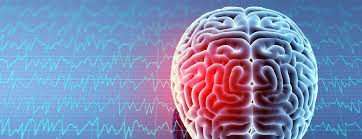
Trauma does not only damage tissue—it disrupts communication. Traumatic neurology focuses on what happens when the nervous system’s messaging network is shaken, stretched, or overwhelmed by physical force. Long after the initial injury heals, signals between the brain, spinal cord, and body may still travel differently, leading to symptoms that are subtle, unpredictable, and often misunderstood.
Unlike isolated injuries, neurological trauma affects systems that control attention, balance, emotion, memory, movement, and automatic body functions. This is why recovery can feel uneven and why symptoms don’t always match what scans show.
Injury as a Network Problem, Not Just a Lesion
In traumatic neurology, damage is not always about a single “spot” in the brain. Trauma can interrupt how regions talk to each other. Even if individual neurons survive, the timing and coordination of signals may be altered.
This network disruption explains why people can experience:
- slowed thinking without memory loss
- coordination problems without paralysis
- emotional changes without psychiatric illness
- fatigue without visible injury
The nervous system works on precision. Trauma introduces noise into that system.
Why Symptoms Can Move Around
One of the most confusing aspects of neurological trauma is symptom variability. A person may feel mentally sharp in the morning and foggy in the afternoon, or physically strong one day and unsteady the next.
This happens because injured neural circuits often rely on compensation. When the brain reroutes tasks through alternate pathways, performance becomes more energy-dependent. Stress, lack of sleep, illness, or sensory overload can temporarily overwhelm these backup systems.
The symptom didn’t “come back”—the compensation did.
Beyond the Brain: The Whole Nervous System Responds
Traumatic neurology also considers the autonomic nervous system, which controls heart rate, blood pressure, digestion, temperature, and stress responses. After trauma, this system can become hypersensitive or poorly regulated.
This may explain symptoms such as:
- rapid heartbeat with minimal exertion
- dizziness when standing
- temperature intolerance
- gastrointestinal disturbances
- exaggerated stress responses
These are neurological regulation issues, not signs of weakness or anxiety alone.
Recovery Is a Process of Relearning
Healing after neurological trauma is not just about rest—it’s about retraining systems to work together again. The nervous system adapts through repetition, pacing, and gradual exposure to challenge.
Key principles include:
- avoiding extremes (total inactivity or overexertion)
- building tolerance slowly
- respecting cognitive fatigue as real fatigue
- allowing variability without panic
Improvement often looks like shorter bad days rather than constant good ones.
Why “Normal Scans” Don’t Mean “No Injury”
Standard imaging is excellent at detecting bleeding, swelling, and structural damage—but not always functional disruption. Many post-traumatic neurological symptoms arise from microscopic or network-level changes that don’t appear on routine scans.
This gap between symptoms and imaging is one reason traumatic neurology relies heavily on clinical evaluation, functional assessment, and longitudinal observation—not just test results.
Long-Term Perspective Matters
Some neurological effects of trauma emerge weeks or months later, especially when the nervous system is pushed back into full daily demands. This delayed awareness doesn’t mean the injury is new—it means the system is being tested under load.
Traumatic neurology emphasizes monitoring over time, because the nervous system heals on its own schedule, not a calendar.
Understanding the Field
Traumatic neurology exists to bridge acute injury care and long-term neurological function—focusing on how trauma reshapes signaling, regulation, and adaptability across the nervous system.
Final Thought
Trauma does not always leave obvious damage—but it can leave the nervous system working harder to do the same jobs. Understanding traumatic neurology helps explain why recovery is rarely linear, why symptoms can be invisible, and why patience is not just emotional advice, but neurological strategy.