
Bruno Mars is an American singer and songwriter who has mastered many trades, among them playing instruments, producing records, dancing, acting, and choreographing. Regarded as one of the central figures of popular music in his time, he is known for a stage presence that borrows from past eras, while his work moves across pop, R&B, reggae, disco, funk, rock, and soul.
His catalogue includes Just the Way You Are, Grenade, The Lazy Song, It Will Rain, Locked Out of Heaven, When I Was Your Man, Treasure, Gorilla, Young Girls, 24K Magic, That’s What I Like, the remix of Finesse, Wake Up in the Sky, Please Me, Skate, Smokin out the Window, and Die with a Smile. Many fans are curious to know what is the ethnic background of Bruno Mars, given his unique looks and varied musical influences.
He has also been a featured voice in Nothin’ on You, Billionaire, Lighters, Young, Wild & Free, and Uptown Funk. On stage he is joined by his group, the Hooligans, who serve not only as instrumentalists but as singers and dancers. Alongside Anderson .Paak he formed Silk Sonic, best known for Leave the Door Open. Earlier, he co-created the production team the Smeezingtons, which played a role in shaping his sound. His concert tours have drawn vast crowds and stand among the highest earners in history.
Early Life and Hawaiian Upbringing
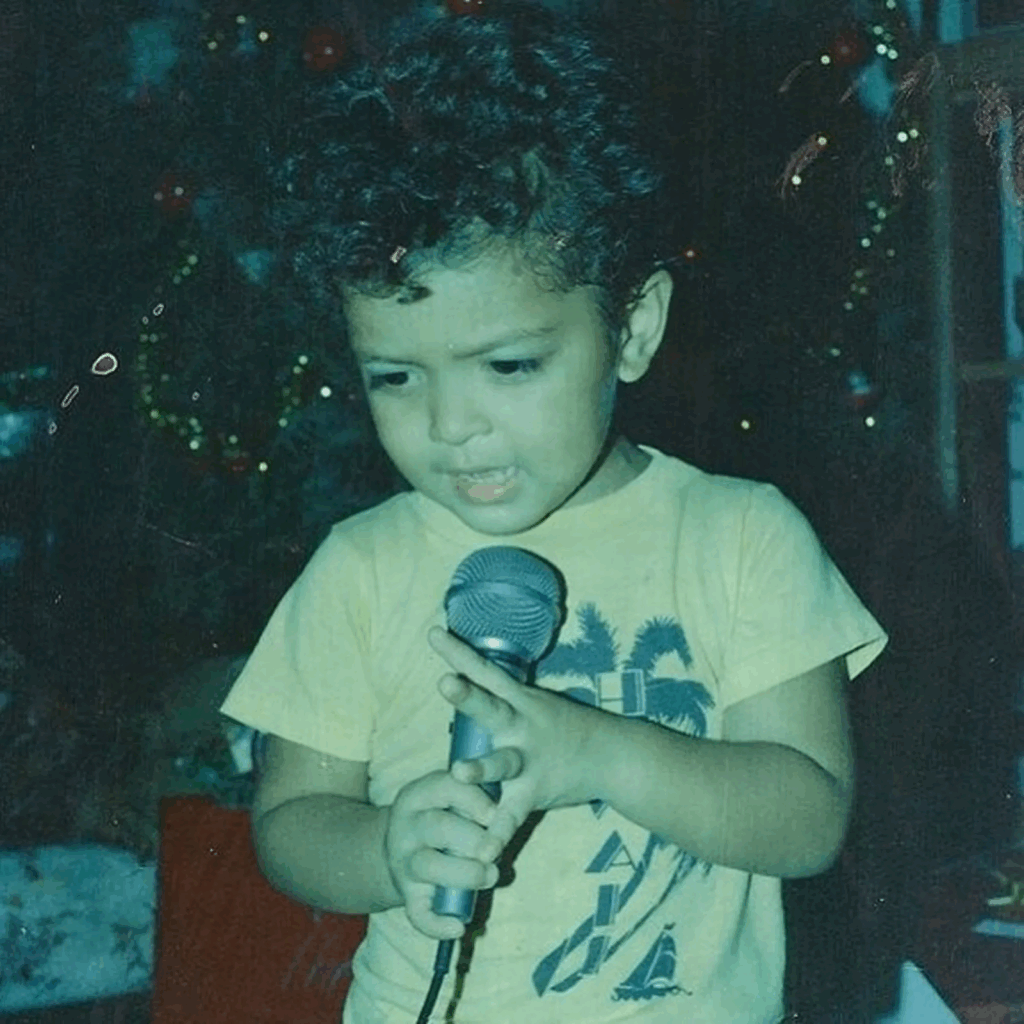
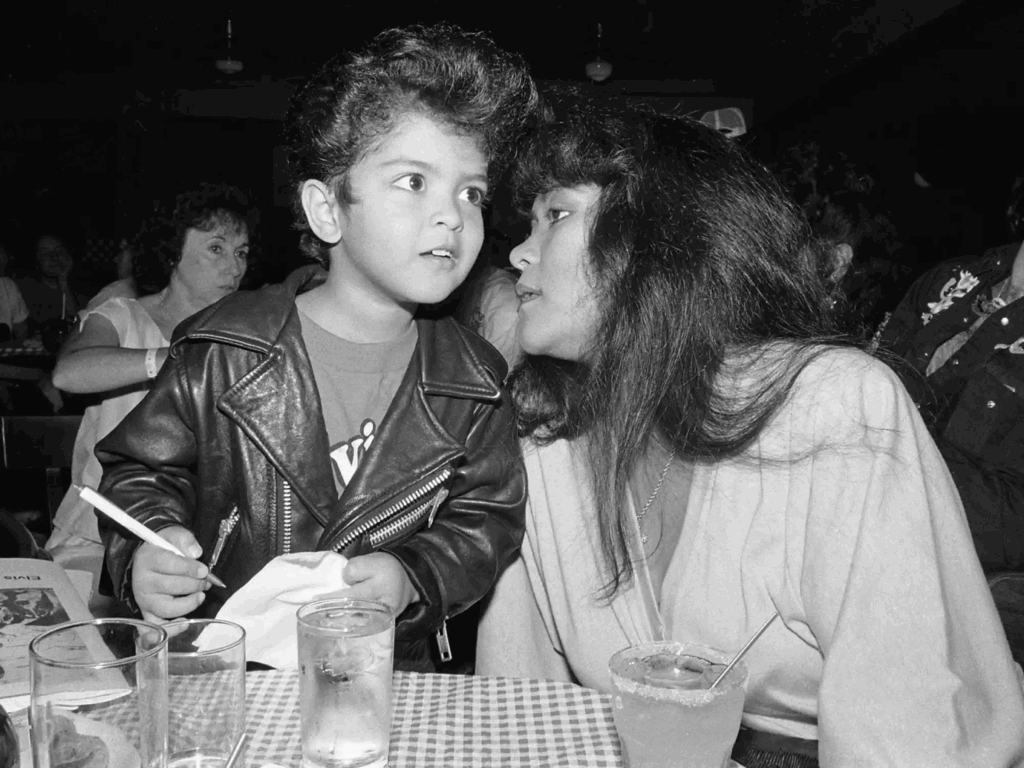
Bruno was born to Bernadette del Pedro Bayot and Peter S. Hernandez, both of whom were drawn to music. His father played rock and roll, while his mother sang and danced. He grew up in the Waikiki district of Honolulu, where he heard rock, reggae, hip hop, and R&B from an early age. In 2003 he left Hawaii for Los Angeles to pursue a career in music.
What Is the Ethnic Background of Bruno Mars?
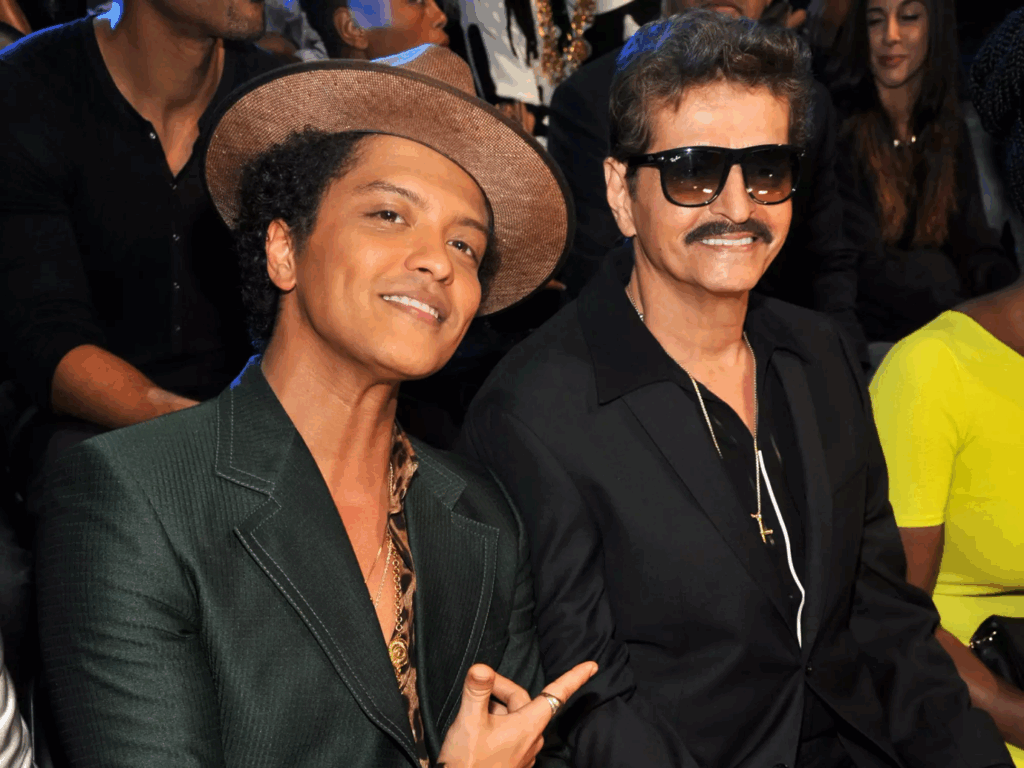
To truly understand what is the ethnic background of Bruno Mars, we need to look at the blend of Puerto Rican, Ashkenazi Jewish, Filipino, and Spanish roots that shaped his identity. His father came from Brooklyn, New York. On his father’s side, his grandfather was Puerto Rican and his grandmother was Ashkenazi Jewish, with roots in Hungary and Ukraine. His mother, born in Manila, was of Filipino descent, mainly Cebuano and Tagalog, with some Spanish ancestry as well. There is also a trace of Italian heritage through the Puerto Rican line. He was given the nickname Bruno as a child because he reminded his family of the wrestler Bruno Sammartino.
Ties to the Filipino Entertainment Industry

Bruno is linked by family to Filipino actor Eddie Gutierrez. He is Eddie’s second cousin once removed, and third cousin to Eddie’s children—actors Tonton, Richard, and Raymond Gutierrez, along with model Ruffa Gutierrez. The connection comes through his maternal great-great-grandparents, Mariano Herranz Heras and Mamerta Cañizares Secuya, who were also Eddie’s maternal great-grandparents. These family links also highlight what is the ethnic background of Bruno Mars, as his lineage ties him not only to Puerto Rico and Europe but also to the Filipino entertainment world.
Bruno Mars Paternal Ancestry: Puerto Rican and Jewish Heritage
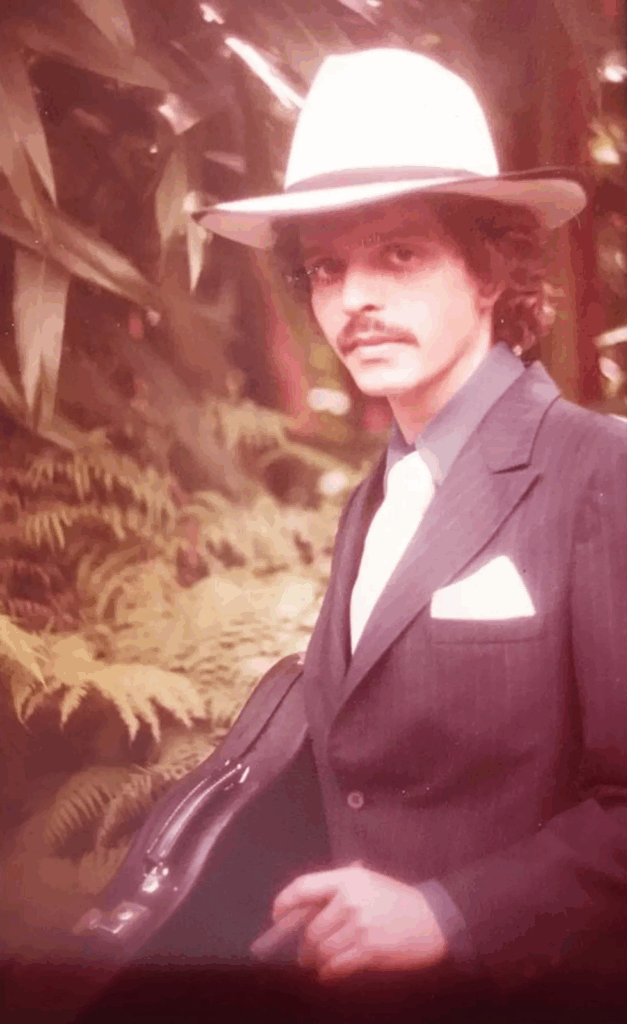
Bruno’s grandfather on his father’s side was Peter Hernandez, the son of Almecio Hernández Aquino and Fabiana Sebastiana Vázquez Garcia. Peter was born in Río Piedras, Puerto Rico. Almecio, who came from Trujillo Alto, was the child of Manuel Hernández Muñoz and Mercedes Aquino Hernández. Fabiana, also born in Río Piedras, was the daughter of José Vázquez Romero and María del Rosario García Betancourt, though she was raised by adoptive parents, Bernardo Peña Martinez and Rafaela Perosa Gerardez.
Bruno Mars Maternal Ancestry: Filipino and Spanish Connections
His grandmother on his father’s side was Mildred Dubov, the daughter of William Wolf Dubovis and Bella Berger. William was a Jewish émigré from Kiev, the son of Sholom Yoseph DuBovis and Malka Weissman. Bella was born in New York City to Hungarian Jewish parents, Joseph Berger and Louise Wohlberg. Bruno’s grandfather on his mother’s side was Romeo Amando Maria “Eugene” Herranz Bayot, the child of Jesús María Bayot Fuentes and Consolación “Consuelo” Herranz Cañizares. Romeo was born in Manila. His father, Jesús, was also from Manila, and was the son of Gabriel Bayot and Josefa Fuentes.
Consolación was born in Segovia, Spain. Her father, Mariano Herranz Heras, came from Nava de la Asunción, in the same province. Her mother, Mamerta Cañizares Secuya—also written as Mamerta Secuya Cañizares in Filipino—was from Talisay, Cebu. Mamerta’s parents were Alejo Cañizares Canindot, likewise of Talisay, and Sabina Secuya Larombe of Minglanilla, Cebu. The family name Secuya is sometimes written Sycuya, which may point to Chinese roots, though it is uncertain whether Sabina herself was of Chinese descent. Bruno’s grandmother on his mother’s side was Soledad San Pedro. She was born in Baguio City, in the province of Benguet, Philippines.
Conclusion
Bruno Mars shows that talent has no boundaries. Having a family tree that looks like a United Nations call roll, starting with the cobblestone streets of Hungary up to the tropical beaches of Cebu, Mars represents the new American dream with 24-karat charm. His Puerto Rican-Jewish father and Filipino-Spanish mother did not merely provide him with killer dance moves and vocal chops, but with a cultural passport that allows him to glide with ease between genres like a musical chameleon.
Mars is infused with the beats of his forebears in every note, whether he is going old-school funk or modern pop. His multicultural background is not a mere side note in his biography, but it is the spice that makes his music sound so appealing to people on the other side of the ocean. In a label-crazed world, Bruno Mars helps us remember that the greatest artists do not fit in boxes; they tear them down and construct stages instead.